2026
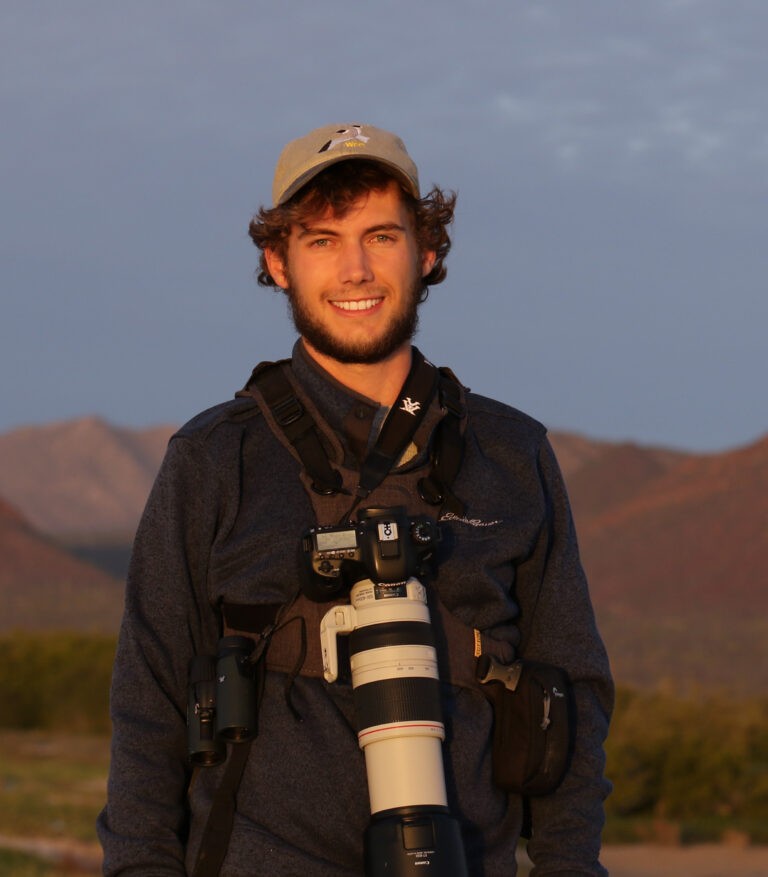
Seth Breeding
Seth Breeding - 2026
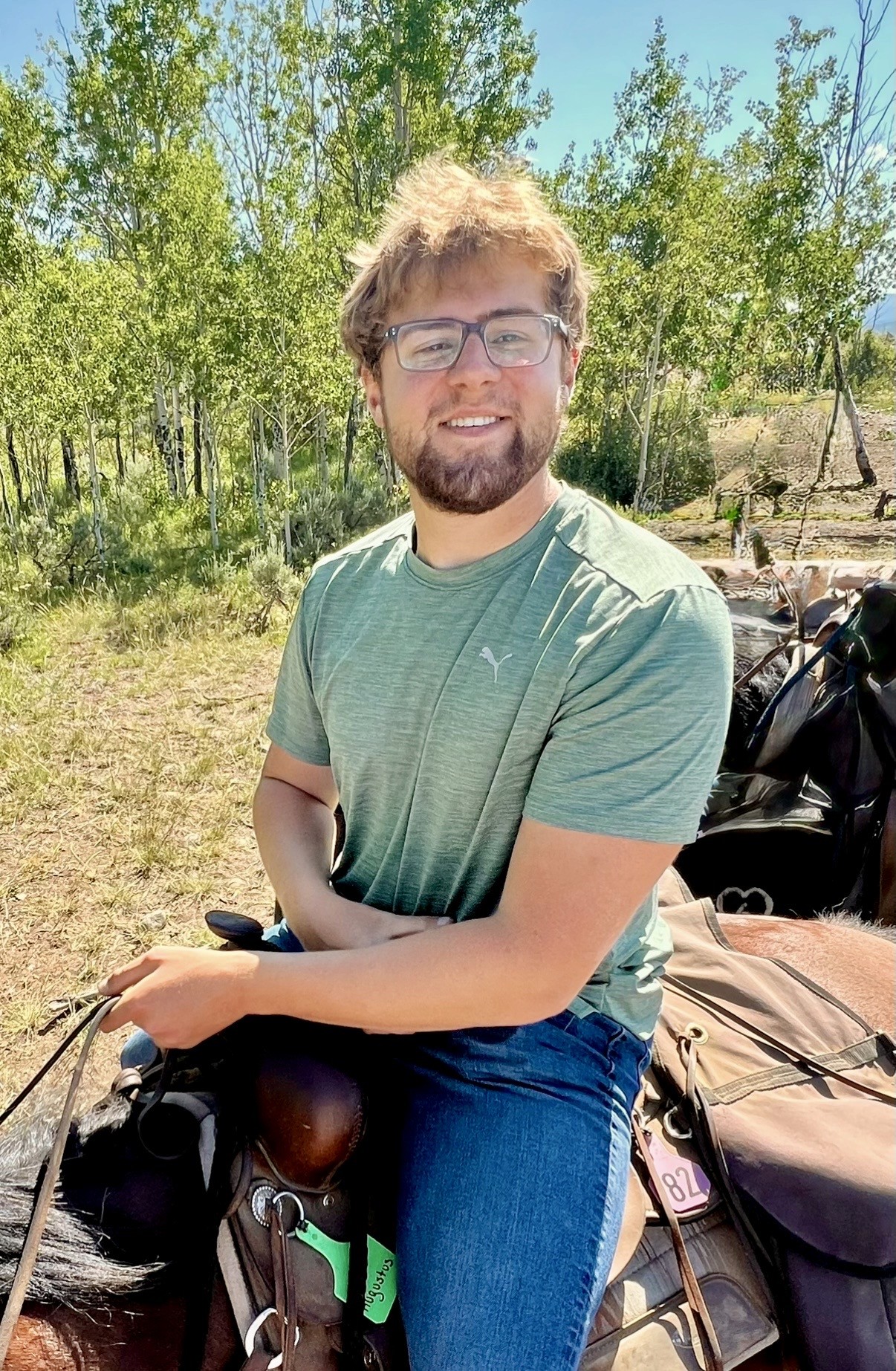
Seth Breeding’s passion for birds began during his childhood in rural Iowa, watching Northern Cardinals and American Goldfinches at his family’s feeders and exploring nearby wetlands in search of species like American Avocets and Wilson’s Phalaropes. What began as a fascination with the birds around him quickly grew into a desire to experience wildlife and wild places across the country. From the Florida Everglades to Arizona’s Huachuca Mountains and the Rocky Mountains, Seth has continued building his life list while developing a deeper interest in the habitats that make those encounters possible.
Seth earned his Bachelor of Science in Wildlife Conservation and Ecology from Iowa State University, where he developed experience in ecological field methods, bird identification, population estimation, radio telemetry, and migration research. His conservation work has also taken him into the field restoring habitat in his home state, where he has removed invasive brush, improved timber stands, and participated in prairie burns benefiting nesting and migrating species such as Bobolinks, Dickcissels, and numerous warblers. As a high school student, Seth and his brother also presented their inventory of a privately owned Iowa prairie at the 2023 North American Prairie Conference—an early project that combined his interests in birds, habitat, and conservation.
As the Schantz Brothers Foundation’s 2026 recipient, Seth brought that same curiosity to the Kachemak Bay Shorebird Festival. His proposed presentation, Kachemak Bay Bird Biodiversity, explored what makes the Bay such an important birding habitat, from migratory navigation and year-round residents to population decline, monitoring, and the role of bird banding in conservation. The experience brought together the interests that have shaped Seth’s journey so far: discovering new birds, understanding how they move through the landscape, and protecting the habitats they depend on. Looking ahead, Seth hopes to pursue a career in avian research, using tools such as telemetry, banding, and migration tracking to continue studying—and helping conserve—the birds that first captured his attention as a child.
Over 20 Years of Recipients